
We’ve entered a new era of brand connection. One where Spatial XP blurs the lines between physical and digital, and where immersive experiences drive deeper connections. Simply showing up in the real world is no longer enough. People want stories to get lost in, moments they can influence and experiences that feel uniquely their own.
Mixed reality devices like Apple Vision Pro, Meta Quest 3, Microsoft HoloLens 2 and XREAL are redefining how brands can connect with their audiences. Yet, many marketers are still on the fence, concerned about limited adoption, high production costs and uncertain ROI. Sure, these are valid reasons. But mixed reality still has the unique wow factor to capture interest in your brand.
Create standout in a crowded digital space
One of the most powerful aspects of mixed reality is its ability to create unforgettable, attention-grabbing experiences that stand out in a cluttered digital environment. For audiences who aren’t yet considering your brand or may not even know it exists, mixed reality offers a way to break through the noise and make a lasting impression.
For example, imagine a food and beverage brand using XREAL to create an immersive storytelling experience where users can virtually explore the origins of their products, from farm to table. This type of experience not only educates but also emotionally connects with users, creating a sense of authenticity and trust.
Similarly, a travel company could use the Meta Quest 3 to transport users to a virtual version of, say, India, allowing them to experience the sights and sounds of the destination before they’ve even considered booking a trip. These experiences are about more than stepping into a virtual world. They are moments of discovery that spark curiosity and interest

Blurring the lines between physical and digital
Mixed reality has the unique ability to drive awareness among audiences who aren’t actively considering your brand, and preference among those who are. By leveraging the immersive and interactive nature of mixed reality devices, brands can create experiential marketing campaigns that not only capture attention but also influence key consideration drivers, ultimately delivering measurable business outcomes.
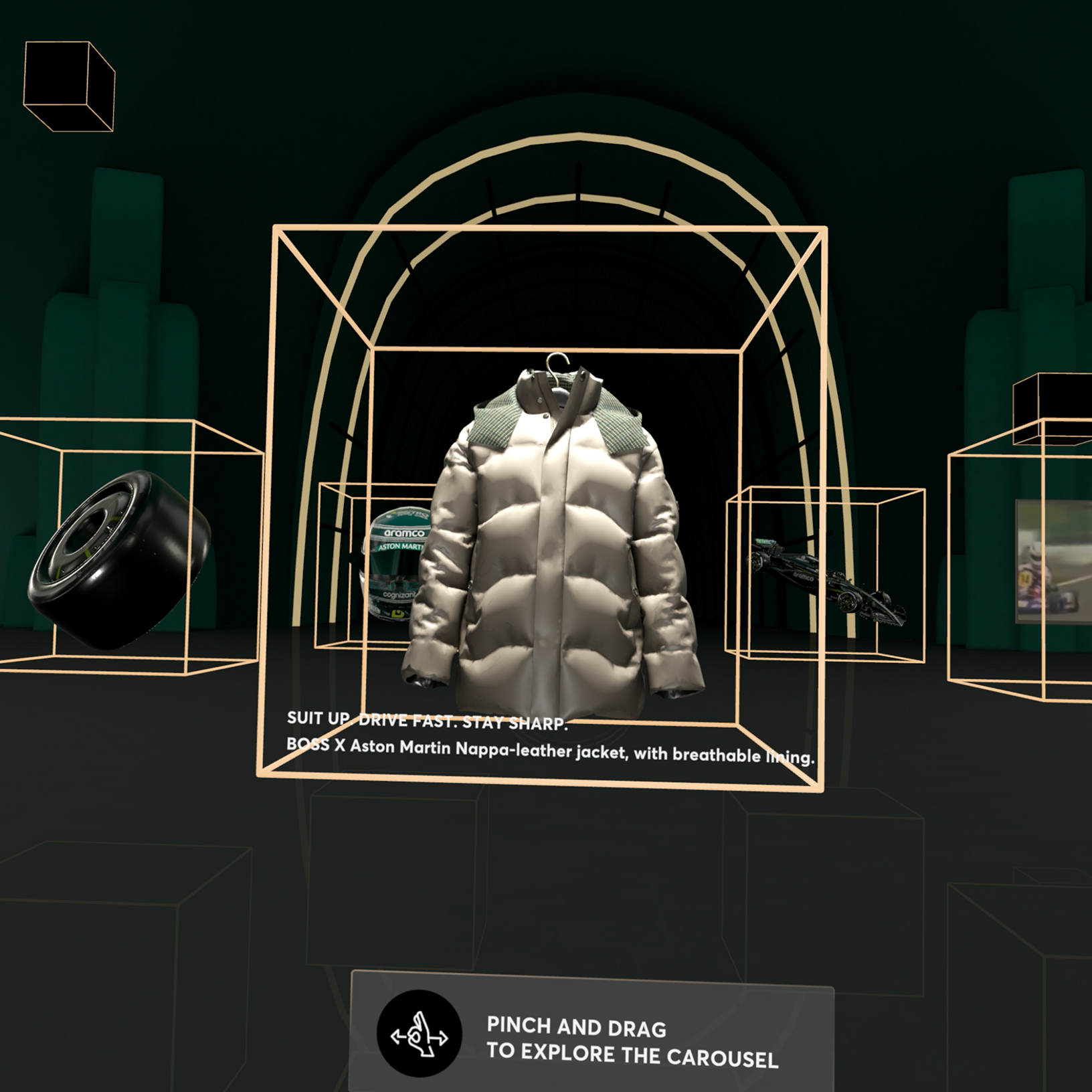
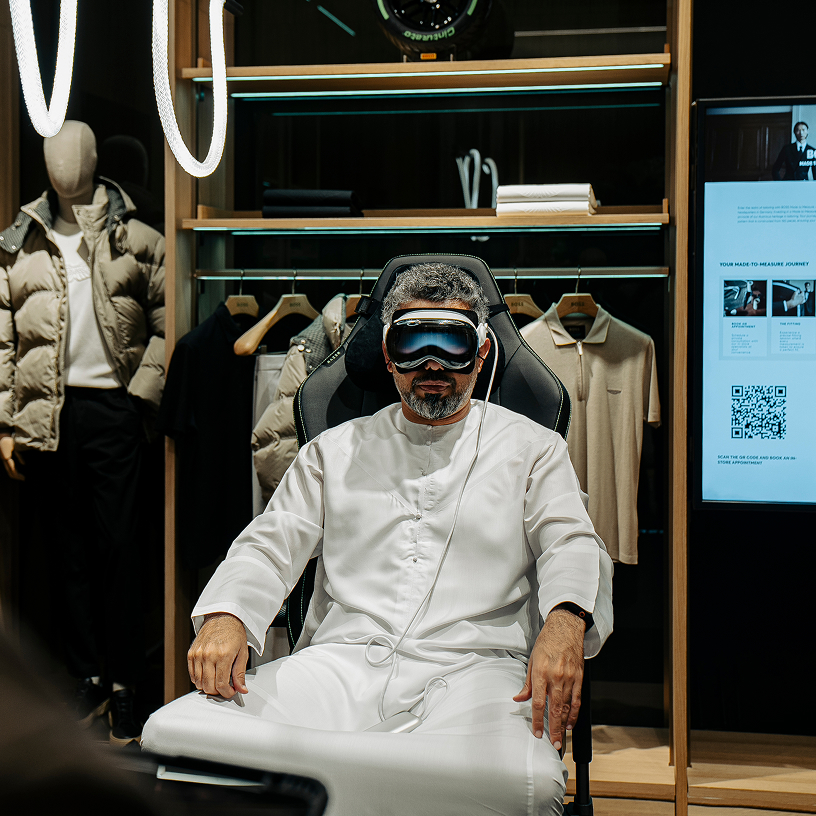
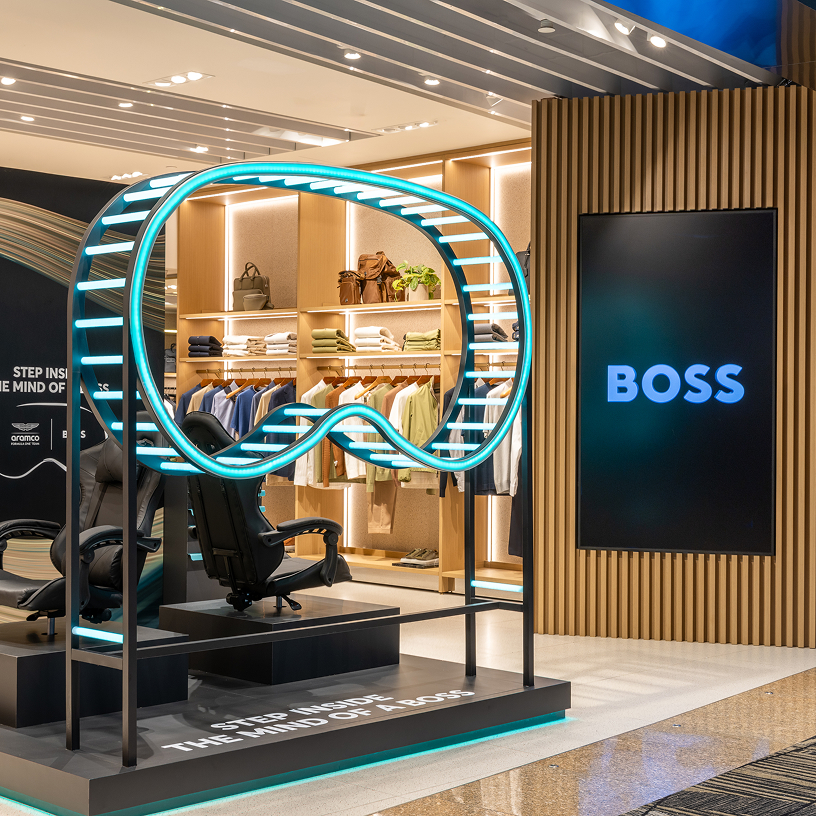
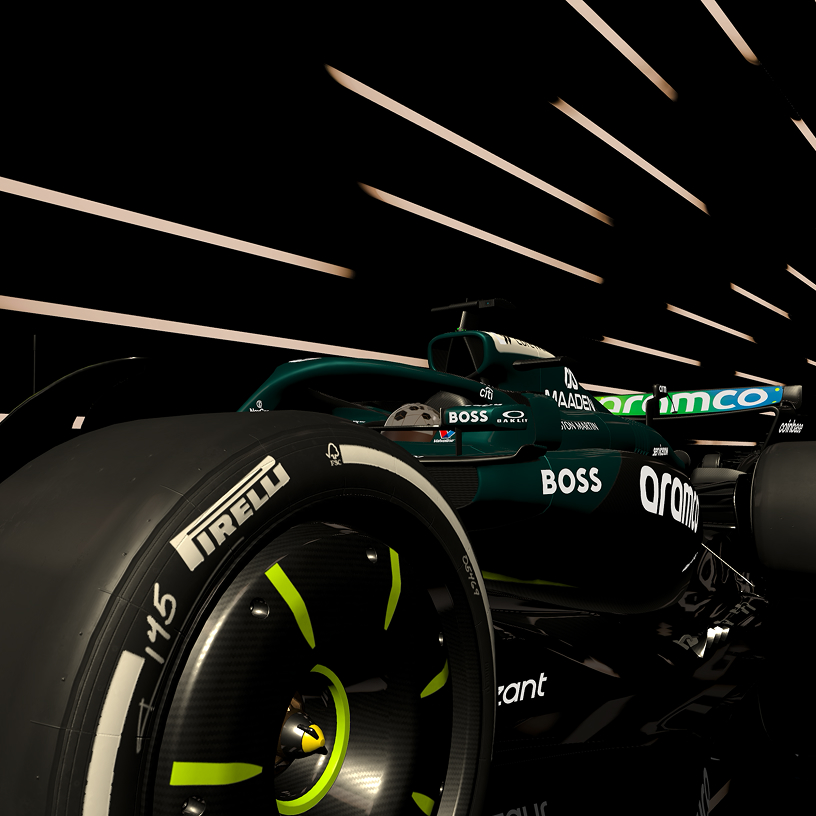
For instance, a brand could deploy Apple Vision Pro headsets at a live event, allowing attendees to interact with augmented reality overlays that bring the brand’s story to life. Our exhilarating Step Inside the Mind of a Boss experience, built for Aston Martin X Hugo Boss, is a prime example. Here, we transported people into the minds of Aston Martin Aramco drivers, Fernando Alonso and Lance Stroll, at the Singapore Formula 1 Grand Prix. These types of activations generate buzz, encourage social sharing and expand reach far beyond the immediate audience, driving awareness among new demographics.
Enhancing decisions with immersive engagement
Mixed reality can play a critical role in reinforcing preference and supporting key purchase decisions. By offering immersive, hands-on experiences, brands can address common barriers to purchase, such as uncertainty or lack of confidence, and create a sense of trust and familiarity.
Using the Microsoft HoloLens 2, an automotive brand could create a virtual showroom where the user can explore a vehicle’s features, customize options, and even see how it would look parked in their driveway. This type of experience not only answers practical questions but also creates an emotional connection, making the brand feel more accessible and relatable.
Similarly, a furniture retailer could use Magic Leap 2 to let customers visualize how a sofa or dining table would look in their home, addressing a key consideration driver (fit and style) while reducing the risk of buyer’s remorse.
Mixed reality also excels at showcasing product quality and innovation, which are often critical factors in driving preference. For example, a tech brand could use the Apple Vision Pro to create an interactive demo of a new gadget, allowing users to virtually ‘test’ its features in a way that feels tangible and real. This hands-on approach not only builds confidence but also positions the brand as innovative and forward-thinking, further influencing purchase decisions.

Engaging customers at multiple touchpoints
What makes mixed reality particularly powerful is its ability to seamlessly bridge the gap between driving awareness and influencing preference. Unlike traditional marketing channels, which often focus on one stage of the customer journey, mixed reality can engage audiences across different moments of interaction, creating a cohesive and impactful experience.
Many beauty brands, from Sephora to Maybelline, have trialled virtual makeup try-on experiences. From here, users can be nudged to explore tutorials or product reviews, addressing key consideration drivers such as ease of use and effectiveness. Next, the campaign could integrate with e-commerce platforms, allowing users to make a purchase directly from the experience. This end-to-end journey nurtures users into action, creating a seamless path from awareness to conversion.
“Mixed reality’s ability to collect unique data provides valuable insights that can be used to refine campaigns and better understand audience preferences.”
Alexander Stassen
This data-driven approach ensures that brands can continuously optimize their strategies, maximizing the impact of their investment. Think interaction patterns, engagement time and spatial behavior.
As spatial experiences move from novelty to necessity, marketers should consider how mixed reality can elevate their campaigns and create lasting impact. If you’re ready to explore what spatial can do for your brand, we’re here to help you make it real.
Contributor in this article
